 By Emily Parker
Updated November 2026
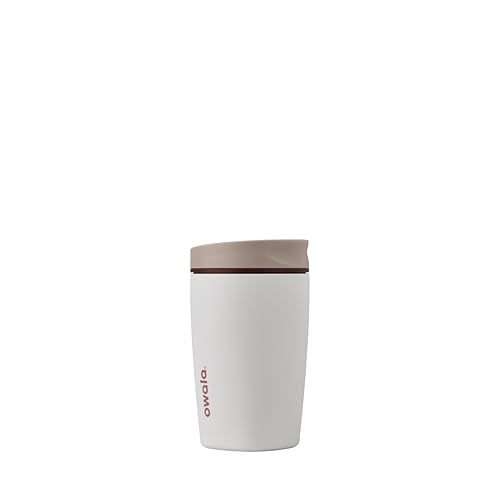
An rtic ceramic-lined coffee mug is a stainless steel tumbler with a ceramic interior, designed to keep coffee tasting clean while holding heat for hours. This guide walks you through what the construction actually does, how to pick the right size and lid for your routine, how to use and clean it without damaging the liner, and where owners most often go wrong. By the end, you should be able to choose the right model and keep it performing well for years.
What an RTIC Ceramic-Lined Coffee Mug Is Made Of
Most people see the outside first: a double-wall stainless steel body, usually powder-coated in a matte or colored finish. The inside is where the difference lies. The ceramic lining is a non-metallic coating applied to the inner wall, so your coffee or tea never touches bare steel. That matters for two reasons. First, it reduces the metallic taste some people notice in plain stainless bottles, especially with acidic drinks like citrus tea. Second, it gives you a smoother surface that is generally easier to rinse out than a raw steel interior.
The double wall is still doing most of the insulating work. A vacuum gap between the inner and outer walls slows heat loss through conduction, and the lid limits convective loss from the top. The ceramic layer is a flavor and surface feature more than a major insulation feature. Keep that in mind when comparing models: the lid and vacuum seal usually decide how hot your coffee stays.
Ceramic Lining vs. Plain Stainless Steel
Plain stainless steel is durable and fully metal, which means it can handle a bit more abuse and is less likely to chip. A ceramic-lined interior trades some of that ruggedness for a neutral taste and a non-reactive surface. If you drink mostly black coffee and don’t care much about a faint metallic note, a standard steel mug is fine. If you brew lighter roasts, flavored coffee or tea, the ceramic interior is usually the better choice.
How to Choose the Right Model
Choosing well comes down to five checks. Work through them in order before you buy.
- Capacity. Most people find 12 to 16 ounces suits a single cup of coffee. If you refill once or twice, a 20 to 30 ounce size fits a commute better. Check the listed capacity and remember that the usable volume is slightly less than the stated figure once you account for the lid.
- Lid design. Look for a lid with a secure seal and a sip opening you can close. A spill-resistant lid matters more than almost any other feature if you carry the mug in a bag or car.
- Fit in your cup holder. Measure the base diameter and height against your car’s cup holder. Many owners discover a tall mug won’t fit a standard holder only after they buy it.
- Handle or no handle. Handled models are easier to hold when hot and work well for desk use. Handle-free tumblers pack more easily and fit more holders.
- Dishwasher compatibility. Check the manufacturer’s care instructions for both the body and the lid. Lids and gaskets often need hand washing even when the body is listed as dishwasher-safe.
Quick Comparison Table
| Factor | What to Look For | Why It Matters |
|---|---|---|
| Capacity | 12–16 oz for one cup; 20–30 oz for longer use | Determines refills and portability |
| Lid seal | Closing sip opening, gasket | Prevents spills and heat loss |
| Diameter | Matches your cup holder | Keeps the mug stable while driving |
| Care rules | Hand wash vs. dishwasher listed for lid and body | Protects the liner and gasket |
Step-by-Step: Using Your Mug for Best Heat Retention
Good insulation depends partly on how you prepare the mug. Owners who skip these steps often report that drinks cool faster than expected.
- Preheat the interior. Fill the mug with hot tap water or just-boiled water, cover it, and let it sit for two to three minutes. Empty it before adding coffee. This brings the inner wall up to temperature so it doesn’t pull heat out of your drink.
- Brew hot and pour quickly. Coffee that starts at a safe but high temperature gives you more useful warm time. Pour right after brewing rather than letting it sit on the counter.
- Seal the lid immediately. Every second with the lid open lets heat escape. Close it as soon as you finish pouring.
- Store it lid closed and upright. Tipping the mug or leaving it open on its side reduces seal performance and can lead to leaks.
Checklist Before You Head Out
- Lid fully seated and the sip opening closed
- Gasket in place and free of coffee residue
- Mug upright in your bag or holder
- Drink temperature checked if you’ll carry it for several hours
How to Clean and Care for the Ceramic Lining
The liner is the part most likely to suffer from careless cleaning. Follow these steps to keep it in good shape.
- Rinse right after use. Coffee oils and sugar set quickly, especially in a warm mug. A quick rinse prevents buildup.
- Disassemble the lid. Remove the gasket and any removable parts so you can clean the seal area thoroughly.
- Wash with a soft sponge and mild soap. Avoid steel wool, abrasive scrubbers and harsh powdered cleaners, which can scratch the ceramic surface.
- Use a baking soda paste for stains. Mix baking soda with a little water, apply it to stained areas, let it sit briefly, then rinse. This handles coffee and tea staining without scratching.
- Air dry fully. Leave the body and lid open to dry so no moisture gets trapped in the seal.
Some owners run the body through a dishwasher on a gentle cycle. Check the manufacturer’s guidance first, because repeated high-heat cycles can wear the finish and seal over time.
Common Mistakes to Avoid
- Skipping the preheat. Pouring coffee into a cold mug is the most common reason for disappointing heat retention.
- Ignoring the gasket. A dirty or dried-out gasket is the usual cause of leaks and lost heat.
- Using abrasive scrubbers. Scratches in the ceramic lining can trap residue and make the interior harder to clean.
- Storing the mug with the lid sealed while wet. Trapped moisture can cause odors. Let everything air dry first.
- Assuming all parts are dishwasher-safe. Check the lid and gasket separately from the body.
- Carrying hot liquid in a loose bag. Even a good lid can leak if the mug tips over, so keep it upright.
Tips for Getting More from Your Mug
- Keep a spare gasket on hand if the manufacturer sells replacements, since seals wear over time.
- Rotate between two mugs if you use one every day, giving the first time to air dry fully.
- If you want a broader look at how ceramic and steel compare for daily drinking, see Ceramic vs Stainless Steel Coffee Mug (2026): Which Is Better for Daily Use? for a side-by-side breakdown.
- Owners who want a handled option for desk use often start with a classic ceramic design. RTIC Ceramic Lined Mug: What It Is, How to Choose and Care for One (2026) covers the variations in more detail.
- For a travel-focused comparison of lined options, 7 Best Ceramic Lined Coffee Travel Mugs of 2026: Our Picks lists how different models handle daily carrying.
Recommended gear
These supplies make routine care simpler. Choose whichever matches your setup.
- Soft-bristle bottle brush. A narrow brush reaches the inside wall and the lid seal without scratching the liner. View on Amazon
- Replacement silicone gasket set. Keeping a spare seal on hand prevents leaks when the original starts to wear. View on Amazon
- Baking soda. A simple, non-abrasive option for lifting coffee and tea stains from the ceramic interior. View on Amazon
FAQ
Is an rtic ceramic-lined coffee mug dishwasher safe?
Many owners run the body through a dishwasher, but the lid and gasket often need hand washing. Check the manufacturer’s care instructions for your specific model before you choose a dishwasher cycle.
Does the ceramic lining affect how long my coffee stays hot?
The ceramic layer mainly affects flavor and cleanliness. Heat retention depends more on the double-wall vacuum construction and the lid seal. Preheating the mug improves results regardless of the interior.
Will the ceramic lining chip?
Ceramic coatings can chip if the mug is dropped hard or cleaned with abrasive tools. Use soft sponges and avoid metal scrubbers to reduce the risk.
How do I remove coffee stains from the interior?
Apply a baking soda and water paste, let it sit briefly, and rinse. Avoid harsh abrasives, which can scratch the liner and make staining worse over time.
Why does my mug smell after washing?
Odors usually come from trapped moisture or residue in the lid seal. Disassemble the lid, clean the gasket thoroughly, and let everything air dry completely before closing it.
Can I put hot liquids in it right away?
Yes, but preheating the interior with hot water first helps the drink stay warm longer. Pour the liquid and seal the lid quickly to limit heat loss.
How often should I replace the gasket?
There is no fixed schedule. Replace the gasket if it cracks, hardens, becomes permanently discolored or no longer seals firmly. Consult the manufacturer for replacement guidance on your model.
Is a ceramic-lined mug safe for every drink?
Most people use these mugs for coffee, tea, and water without issue. If you have specific dietary or health concerns about materials in contact with food, consult a healthcare professional or check the manufacturer’s material documentation.
Conclusion
An rtic ceramic-lined coffee mug works best when you match the size and lid to your routine, preheat the interior, and keep the gasket clean. The ceramic liner gives you a neutral-tasting surface that suits a wide range of drinks, while the double-wall body and lid handle the heat. Treat the liner gently and check care instructions for every part, and the mug should serve you well for a long time.
Ready to choose one?
About Emily Parker
Emily Parker is part of our editorial team and reviews and edits our mugs & drinkware guides, checking product details against manufacturer specifications and owner feedback.