 By Emily Parker
Updated November 2026
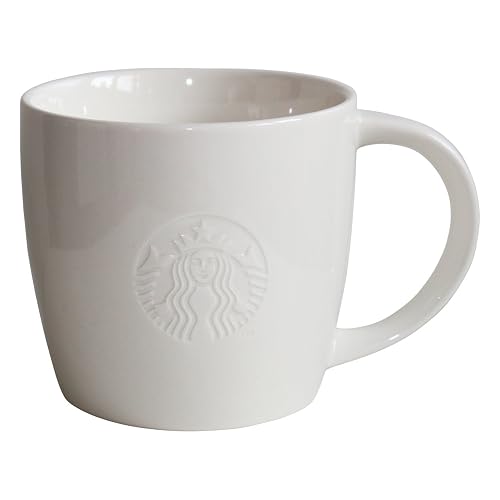
A starbucks white ceramic travel mug is a reusable cup with a white ceramic inner or outer body, usually sold through Starbucks stores or its online shop. This guide walks you through what to look for when buying one, how to use it so the drink stays hot or cold for longer, and how to clean and store it so the finish doesn’t chip, stain or crack. By the end, you’ll know how to pick the right size and lid, avoid the mistakes that shorten a mug’s life, and decide whether a ceramic design suits your routine.
Understand What “Ceramic” Means on a Travel Mug
Most ceramic travel mugs are not solid ceramic from top to bottom. Manufacturers typically use one of three constructions, and the difference matters for heat, weight and durability. Check the product description before you buy so you know which one you’re getting.
- Ceramic-coated stainless steel: A steel body with a ceramic-style coating on the inside or outside. This is common in insulated travel mugs and gives the look of ceramic with the impact resistance of metal.
- Ceramic-lined: A steel or plastic outer shell with a ceramic liner that touches the drink. Liners are often praised for taste neutrality, but they are fragile if the outer shell takes a hard knock.
- Solid ceramic or stoneware: Heavier, with good heat retention on the inside surface but usually no vacuum insulation. These are better for a desk or a short walk than a commute.
Read the product page for words like “double wall,” “vacuum insulated” or “ceramic-lined.” Those tell you whether the mug will keep drinks hot in a bag or only look like ceramic on a shelf.
Choose the Right Size, Lid and Opening
Size determines how long the drink stays warm and whether the mug fits your car cup holder. Starbucks sells several sizes under its own names, and third-party makers use their own labels, so compare capacity in ounces or milliliters rather than trusting names alone.
Measure Your Cup Holder First
Measure the diameter of your cup holder at the top and the height of the holder from the cup well to the rim. Many cars have holders around 3 inches across at the opening, but older and compact vehicles can be narrower. Make sure the mug’s base and widest point fit, and that the lid will not hit the dashboard when the mug is seated.
Compare Lid Types
The lid affects spill control more than almost any other feature. Look for these types:
- Sliding or push-through spout lids: Good for drinking while driving. Open the spout and close it when moving to reduce spills.
- Flip lids: Simple and fast, but they can leak if tilted sharply.
- Screw-on lids with a gasket: The most leak-resistant option, but they are slower to open and close. Check whether the gasket is removable so you can clean it.
If you carry the mug in a bag, a gasketed lid with a locking or closed position is worth the extra step. For a desk, an open-top design is easier to sip from and clean.
Use the Mug to Keep Drinks at the Right Temperature
Ceramic is a poor conductor of heat on its own, but the mug’s overall performance depends on the wall construction and the lid. A double-wall or vacuum-insulated version will hold heat far better than a single-wall ceramic cup. Use these steps to get the best results from any version.
Preheat or Precool the Mug
Before filling, rinse the mug with hot water for 30 to 60 seconds for hot drinks, or with cold water and a few ice cubes for iced drinks. This brings the inner surface close to the drink’s temperature so it doesn’t pull heat away right away. Empty the rinse water before filling.
Fill to the Right Level
Leave about half an inch of headspace below the rim for hot liquids. Filling to the brim can cause spills when you close the lid, and a small air gap helps the lid seal properly. For iced drinks, fill to the top and close the lid quickly to reduce condensation on the outside.
Close the Lid Fully
Press or twist the lid until it clicks or seats. If the spout is a sliding design, confirm it is fully closed before carrying the mug. Heat and steam escape through a partly open spout faster than most people expect.
Clean and Care for Your Mug
Ceramic surfaces resist stains and odors well, but the lid assembly and any gasket need regular attention. Most of the problems owners report, including lingering smells and leaks, come from neglected lids rather than the mug body.
Daily Cleaning Steps
- Empty the mug as soon as you finish your drink.
- Rinse with warm water to remove any coffee or milk residue.
- Remove the lid and any removable gasket or spout insert.
- Wash all parts with warm water and mild dish soap, using a soft sponge or bottle brush.
- Air-dry upside down on a rack. Don’t seal the mug while it’s damp.
Weekly Deep Clean
Once a week, fill the mug with warm water and a teaspoon of baking soda, let it sit for 15 minutes, then rinse. For coffee stains on the inside, a soak with a mix of baking soda and warm water usually lifts them. Avoid abrasive pads on any ceramic surface, since they can scratch the finish and leave spots where stains settle more easily.
Check Dishwasher Guidance
Manufacturers vary in what they allow. Some ceramic-coated and ceramic-lined mugs are listed as top-rack dishwasher safe, while others specify hand washing only. Check the label or product manual before putting the mug in a dishwasher, and always remove the gasket and lid first if the dishwasher is allowed.
Common Mistakes to Avoid
- Putting the mug in the microwave: Many ceramic-coated and insulated mugs contain metal, and microwaving can damage the mug or create sparks. Use the stovetop or a kettle to heat liquids instead.
- Dropping the mug on hard floors: Ceramic liners and coatings can crack or chip on impact even when the outer shell looks intact.
- Storing the lid on the mug while wet: This traps moisture and leads to odor and mildew in the gasket.
- Using bleach or harsh scrubbers: These can dull glazes and degrade rubber seals.
- Ignoring a worn gasket: A cracked or stiff gasket causes leaks. Replace it as soon as it stops sealing.
- Filling too full: This is the most common cause of lid spills during commutes.
Recommended gear
Most of what you need is already in your kitchen, but a few items make ceramic travel mugs easier to keep clean and in good shape.
- Bottle brush with a long handle: Reaches the bottom of narrow mugs where coffee residue collects. View on Amazon
- Replacement silicone gasket set for travel mug lids: A spare gasket lets you keep sealing well when the original wears out. View on Amazon
- Soft-bristled cleaning brush for ceramic surfaces: Cleans the interior without scratching the glaze. View on Amazon
Related reading
If you’re still comparing options, Starbucks White Ceramic Mug: How to Choose, Use and Care for One covers the differences between the white ceramic models in more detail. For a side-by-side look at popular models, see Starbucks Travel Mug Ceramic: 7 Best Picks Compared (2026). If you’re weighing lid designs, Travel Mug Ceramic with Lid: A Buyer's Guide to Heat, Seals and Spill Control explains how seals and spouts affect spill control. Readers interested in lined designs can also check Travel Mug with Ceramic Lining: How to Choose and Use One (Step-by-Step).
Tips for Getting the Most from Your Mug
- Keep a spare gasket in a drawer so a worn seal doesn’t end your commute.
- Wash the mug the same day you use it, especially after dairy or sweetened drinks.
- Store the mug with the lid off or slightly loose so air can circulate.
- Match the mug to the drink: an open-top ceramic mug suits sitting coffee, while a gasketed travel mug suits driving.
- Note the capacity in ounces before buying, since advertised sizes can differ between sellers.
FAQ
Is a starbucks white ceramic travel mug dishwasher safe?
It depends on the specific model. Some ceramic-coated and ceramic-lined mugs are listed as dishwasher safe on the top rack, while others specify hand washing. Check the product page or packaging, and remove the lid and gasket before any dishwasher cycle.
Can I put a ceramic travel mug in the microwave?
Do not microwave a ceramic-coated or insulated mug unless the manufacturer explicitly says it is microwave safe. Many have metal layers that can spark or damage the mug. Heat your drink separately and pour it in.
How long will the mug keep a drink hot?
Heat retention varies widely. A double-wall vacuum-insulated version holds heat much longer than a single-wall ceramic cup. Preheating the mug and closing the lid fully make the biggest difference. Manufacturers usually state a hot and cold retention time, so compare those claims with the insulation type.
Why does my mug smell even after washing?
Odors usually come from the gasket or spout insert, where coffee and milk residue collect. Remove those parts, wash them separately, and air-dry everything fully before reassembling. A weekly baking soda soak helps.
Will the white finish stain?
Ceramic glazes resist staining better than many plastics, but coffee, tea and dark sauces can leave marks over time. Rinse promptly after use and use a baking soda soak for stubborn residue. Avoid abrasive scrubbers.
How do I stop leaks through the lid?
Check that the gasket is seated and undamaged, leave some headspace when filling, and close the lid fully before carrying the mug. If the seal still fails, replace the gasket. A worn rubber seal is the most common cause.
Is a ceramic travel mug safe for everyday hot drinks?
Ceramic is generally considered a stable material for hot beverages. Choose a mug with a lead-free glaze and check the product information for food-safe certification. If you have concerns about materials, consult the manufacturer or a qualified professional.
What size should I buy for daily commuting?
Most commuters find a mug between 12 and 16 ounces practical, since it fits standard cup holders and keeps coffee drinkable through a typical drive. Measure your holder first, then compare capacity in ounces across models.
Conclusion
A starbucks white ceramic travel mug works best when you match its construction, size and lid to your routine and keep the seal and interior clean. Preheat the mug, leave headspace when filling, and close the lid fully to get the most heat and the least spill. Clean the gasket regularly, replace it when it wears, and check the product guidance before using the dishwasher or microwave.
Ready to choose one?
About Emily Parker
Emily Parker is part of our editorial team and reviews and edits our mugs & drinkware guides, checking product details against manufacturer specifications and owner feedback.