 By Emily Parker
Updated November 2026
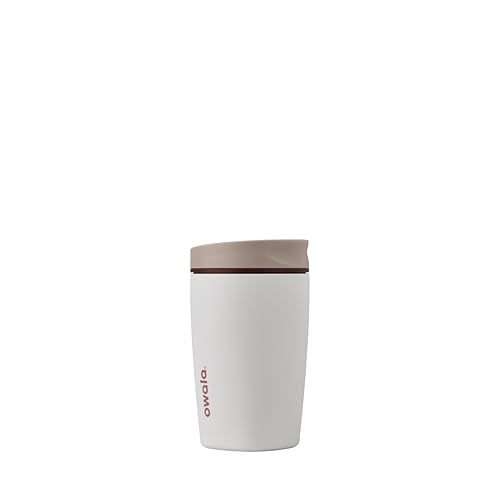
A porter ceramic travel mug is a double-walled or ceramic-lined vessel built to keep coffee hot or cold while you move. This guide walks you through what to check before buying, how to prepare and use the mug daily, how to clean it safely, and where people tend to run into trouble. By the end, you should be able to get the most out of a porter ceramic travel mug and avoid the problems that cause most returns and disappointments.
What Makes a Porter Ceramic Travel Mug Different
Most travel mugs use stainless steel for the body and a plastic or silicone seal at the lid. A ceramic travel mug, by contrast, uses a ceramic interior that sits against your drink. Ceramic is non-reactive, so it does not hold onto coffee or tea flavors the way some plastics do, and it does not add a metallic taste. The tradeoff is weight and fragility. Ceramic is heavier than steel and can crack or chip if dropped on a hard floor.
Shopping for one? See our guide: Ceramic Coffee Travel Mug Picks: 6 Best Options for Everyday Use (2026).
Manufacturers commonly describe ceramic-lined travel mugs as having a stainless outer shell with a ceramic coating or liner on the inside. Because the exact construction varies by model, check the product listing or packaging for whether the ceramic is a coating, a separate inner vessel, or a full ceramic body. That detail affects how you clean it and how much impact it can take.
How to Choose the Right Porter Ceramic Travel Mug
Before you buy, compare a few specifications that determine how the mug will perform in your routine.
- Capacity. Common sizes run from about 12 to 16 ounces for a commuter mug. If you usually fill a larger cup at the coffee shop, look for 16 ounces or more.
- Wall construction. Double-walled vacuum insulation generally holds heat longer than a single wall. Confirm this in the product description.
- Lid type. A rotating or press-to-open lid with a silicone gasket usually handles spills better than a simple snap-on cap.
- Cup-holder fit. Measure the diameter of your car’s cup holder. Many mugs are wider at the base than at the top, and some will not fit.
- Dishwasher rating. Check whether the manufacturer approves the lid and body for the top rack. Many ceramic-lined mugs recommend hand washing.
- Weight when full. A full ceramic mug can be noticeably heavy. Hold a similar-sized mug to see whether the weight feels comfortable for your commute.
Preparing and Pre-Warming Your Mug
Heat retention depends partly on temperature before you add the drink. Pouring boiling coffee into a cold mug can drop the liquid temperature quickly, and a cold interior can also cause thermal shock in ceramic materials.
Steps for Pre-Warming
- Rinse the mug with hot tap water for 30 to 60 seconds, or fill it with hot water and let it sit for about two minutes.
- Empty the water and dry the outside.
- Pour in your coffee or tea within a minute or two so the heat stays in the mug.
- Close the lid firmly and check that the gasket is seated before moving.
Avoid putting a ceramic-lined mug on a stove or into a microwave unless the manufacturer explicitly allows it. Even when the ceramic itself can handle heat, the metal shell and seals usually cannot.
Filling Guidelines
Leave a small gap at the top, usually a quarter inch or so, for drinks that might expand or foam. Do not overfill, because pressure changes during transport can push liquid past the gasket. Let very hot liquids cool slightly, roughly to the point where you can hold the cup comfortably, before sealing for long trips. Trapping steam can build pressure.
Cleaning and Care
Routine cleaning keeps odors out of the mug and protects the lid seal. Ceramic surfaces are easy to clean, but gaskets and hinges need more attention than the body.
Daily Cleaning Checklist
- Rinse the mug immediately after use with warm water.
- Remove the lid and gasket, then wash them separately.
- Use a soft brush or sponge on the interior. Avoid steel wool, which can scratch glaze.
- Air dry with the lid off so moisture does not get trapped in the gasket.
Deeper Cleaning
Once a week, fill the mug with warm water and a tablespoon of baking soda, let it sit for 15 minutes, then rinse thoroughly. For coffee stains, a paste of baking soda and water works well on the interior. Manufacturers often warn against bleach and abrasive cleaners, because they can dull finishes and degrade rubber seals over time.
Keep an eye on the gasket. If it stiffens, cracks or develops a permanent odor, replace it. Many brands sell replacement lid parts, which is often more economical than buying a whole new mug.
Using Your Mug Every Day
Good habits make a noticeable difference. Keep the lid closed when you are not drinking, since heat escapes fastest from an open top. Avoid leaving the mug in a hot car for hours with coffee inside, and do not store it with a damp lid. When you transport it in a bag, place it upright, because a tipped mug is the most common cause of leaks.
If the mug will sit for a long time, empty it before you leave. Stale coffee left sealed for days can develop a sour smell that is hard to remove from ceramic, even with baking soda.
Common Mistakes to Avoid
- Dropping it on hard surfaces. Ceramic liners can chip or crack. Use a bag or sleeve when carrying the mug in a backpack.
- Overtightening the lid. Forcing a lid can deform the gasket and reduce seal quality.
- Ignoring the gasket. A worn seal is the most common reason a mug starts to leak. Inspect it monthly.
- Using abrasive pads. Scouring can wear the interior finish and make staining worse over time.
- Putting the lid in the dishwasher without checking. Heat can warp some silicone and plastic parts.
- Assuming heat retention is the same for all drinks. Iced drinks and hot drinks behave differently, and results vary with ambient temperature and how full the mug is.
Tips for Getting the Best Results
- Pre-warm the mug every time for hot drinks.
- Keep spare gaskets on hand if the brand sells them.
- Wash the mug before its first use to remove any manufacturing residue.
- Choose a lid with a locking or press-to-open mechanism if you carry the mug in a bag with other items.
- If you switch between coffee and tea, rinse thoroughly between uses to avoid flavor carryover.
Recommended gear
A few supplies can help you keep a ceramic travel mug in good condition for longer.
- Soft-bristle bottle brush. A narrow brush with soft nylon bristles reaches the interior base without scratching the ceramic. View on Amazon
- Replacement silicone gasket set. Keeping a spare seal on hand lets you swap a worn gasket instead of replacing the whole mug. View on Amazon
- Padded insulated sleeve or carrier. A padded bag protects the ceramic from drops and keeps the mug upright in a backpack. View on Amazon
- Baking soda. A pantry staple that works well as a gentle paste for removing coffee stains and neutralizing odors. View on Amazon
FAQ
Is a porter ceramic travel mug safe to put in the dishwasher?
It depends on the model. Many ceramic-lined mugs recommend hand washing, and the lid and gasket may have different rules from the body. Check the manufacturer’s care instructions before using the top rack.
Why does my mug lose heat faster than I expected?
Common causes include pouring into a cold mug, leaving the lid open, filling the mug only partway, and a worn gasket that lets heat and steam escape. Pre-warming and checking the seal usually help.
Can I use this mug for iced drinks?
Many ceramic travel mugs can hold cold beverages, but insulation is designed primarily to slow heat transfer. Condensation may form on the outside, so place it on a coaster or in a sleeve.
How do I remove a coffee smell from the mug?
Fill the mug with warm water and a tablespoon of baking soda, let it soak for 15 to 30 minutes, then rinse well. Clean the gasket separately, since it often holds odors longer than the ceramic.
Will the ceramic chip if I drop the mug?
It can. Ceramic is hard but brittle. Drops onto tile or concrete are the most likely cause of chips and cracks, so use a sleeve when carrying it.
How often should I replace the lid gasket?
There is no universal schedule. Replace it when it cracks, stiffens, loses its shape, or stops sealing well. Inspect it regularly.
Is a ceramic travel mug better than a steel one?
It depends on your priorities. Ceramic offers a neutral taste and easy cleaning of the interior, while stainless steel is more durable and lighter. Compare both against your daily routine.
Should I consult anyone about food safety with ceramic mugs?
If you have concerns about glaze safety, especially with older or imported mugs, a local food safety resource or the manufacturer can provide guidance.
Conclusion
A porter ceramic travel mug can deliver a clean-tasting drink and dependable heat retention when you pre-warm it, seal it properly and keep the gasket in good shape. Choose the size, lid and fit that match your commute, then follow a simple cleaning routine. Handle it gently, and it should serve you well for daily use.
Related reading
- W&P Porter Ceramic Mug Review: Features and Performance
- Travel Mug with Ceramic Lining: How to Choose and Use One (Step-by-Step)
- Travel Mug Ceramic with Lid: A Buyer's Guide to Heat, Seals and Spill Control
- Travel Ceramic Mug with Handle: 7 Best Picks Compared (2026)
Ready to choose one?
About Emily Parker
Emily Parker is part of our editorial team and reviews and edits our mugs & drinkware guides, checking product details against manufacturer specifications and owner feedback.