 By Emily Parker
Updated November 2026
If a favorite ceramic mug has developed a hairline crack or lost a handle, a food safe glue for ceramic mug repairs can save it from the trash. This review looks at a clear cyanoacrylate (CA) adhesive sold on Amazon as a general-purpose ceramic and glass repair glue. It suits people repairing decorative or occasional-use mugs, small chips, and handle reattachments who want a fast-setting, low-cost-of-entry option. It is a poor fit for anyone expecting a dishwasher-proof, boiling-water-proof bond on a heavily used coffee mug, or anyone who needs a gap-filling epoxy for large breaks. Read on for specifications, owner feedback patterns, and a buying guide so you can decide whether this product fits your repair.

Glass Pottery Porcelain Mugs Clay Dishes Plastic Wood Metal Shoe Model, Instant Cyanoacrylate Adhesive All Purpose Superglue Ceramic Super Glue Liquid, Clear CA Glue for Ceramic Repair Food Safe
Product Overview
This listing is a clear, instant-setting cyanoacrylate adhesive marketed for repairing glass, pottery, porcelain, ceramic, and clay items, along with wood, metal, plastic, and shoe materials. The product name describes it as food safe, which is the feature most mug owners will look for first. CA glues are a familiar category: they cure when exposed to moisture on the surfaces being joined, producing a thin, rigid bond in seconds to minutes depending on the material and the amount applied.
Because it is a general-purpose superglue, it behaves like other liquid CA adhesives in both strengths and limitations. The bond is very fast and very thin, which makes it useful for tight fits and clean lines. It is less forgiving on large gaps, porous surfaces, and joints that flex under load. Anyone choosing a repair adhesive for a mug should understand that the term “food safe” describes the cured adhesive’s intended contact with food under the manufacturer’s instructions, and that it does not mean the repaired area will tolerate hot liquids, microwaves, or dishwashers.
Key Features & Specifications
The table below lists only the details that are stated in the product name or are standard for this adhesive type. Confirm exact volume, cure times, and temperature ratings on the current listing before you buy, since sellers sometimes change packaging.
| Feature | Details |
|---|---|
| Adhesive type | Instant cyanoacrylate (superglue), liquid |
| Appearance when cured | Clear |
| Stated materials | Glass, pottery, porcelain, ceramic, clay, wood, metal, plastic, shoe material |
| Labeling | Described as food safe |
| Set time | Fast; typically seconds to a few minutes for CA adhesives |
| Application | Liquid applied with the attached nozzle or applicator |
Pros & Cons
Pros
- Clear finish blends into glazed ceramic and glass, which helps repairs on visible surfaces.
- Fast set time reduces the need for clamps on small pieces.
- Works on several material types, so one tube can cover a mug, a plate, and a wooden or plastic component.
- Thin liquid form suits tight, hairline joins where thicker adhesives would show.
- Labeled food safe, which addresses the first question most mug owners ask.
Cons
- Cyanoacrylate is brittle compared with flexible or epoxy-based adhesives, so it may crack under impact or stress.
- Not designed for gap filling; large breaks need epoxy or a dedicated ceramic filler.
- Bonds can weaken with repeated hot liquid, dishwashing, or microwave use.
- Skin and eye bonding is a real hazard, and fumes can irritate the eyes and airways.
- Quick set means little time to reposition parts once they touch.
Performance Analysis
Performance for a CA adhesive depends on surface preparation, the fit of the pieces, and how the repaired item is used afterward. Owners of similar superglue-type ceramic repair products commonly report that a clean, dry, grease-free surface makes the biggest difference. Wiping both edges with isopropyl alcohol and letting them dry fully is a step many manufacturers recommend, and it tends to produce stronger, longer-lasting joins.
Owner feedback patterns for CA glues in this category tend to cluster around a few themes. Small chips and clean breaks in decorative mugs are frequently described as successful. Handle reattachment is also commonly reported as holding well for light use, especially when the joint is supported during the first several minutes. Feedback becomes more mixed when people use the repaired mug for hot beverages daily, put it in the dishwasher, or fill a large gap. Those repairs more often fail at the bond line, which reflects the limits of cyanoacrylate rather than a defect specific to this listing.
From a specification standpoint, the adhesive’s clarity and thinness are its main strengths for ceramic repair. Its brittleness and lack of gap-filling capacity are its main limits. A reasonable expectation is a durable repair for occasional use and a practical stopgap for everyday mugs, not a permanent structural fix that performs like the original piece.
Who Should Buy This Product?
This adhesive makes sense for people who want a quick, clear, low-commitment fix on a mug that will see light to moderate use. It is also a good match for hobbyists who repair several types of items, since the material list is broad. Buyers who already own clamps, isopropyl alcohol, and a clean workspace will get the most out of it.
You should skip this product if your mug is a daily driver that goes through the dishwasher or microwave, if the break involves a large missing section, or if you need a repair that flexes or absorbs impact. In those cases, a two-part epoxy formulated for ceramics or a food-contact-rated repair compound is usually a better choice. Anyone with a medical or allergy concern about adhesive exposure should also choose a product with clear ventilation guidance and wear gloves.
Buying Guide
When you shop for food safe glue for ceramic mug repairs, start with the type of break. Clean, hairline, or chip-level damage suits a thin CA adhesive. Gaps wider than a fraction of a millimeter, or missing pieces, call for a gap-filling epoxy or ceramic repair compound. Check whether the product states it is intended for food contact after curing, and read the manufacturer’s directions on how long to wait before using the mug.
Look for these practical factors:
- Applicator design. A fine nozzle helps you place small amounts precisely and reduces the risk of glue squeezing onto the glaze.
- Cure and set time. Fast-setting adhesives reduce clamp time but leave less room to adjust.
- Stated materials. Confirm the product lists ceramic or porcelain, not just general plastics or wood.
- Clarity. A clear cured finish is important on glazed surfaces you can see.
- Quantity. Small tubes are fine for one or two repairs; larger sets make sense if you repair items often.
Several well-known alternatives are worth comparing. The first is a ceramic-specific glue kit sold as a food safe adhesive for mugs and dishes, which includes a broader material list and is listed here as

Ceramic Glue, Best Super Clear Glue for Porcelain, Pottery and China Repair, Food Safe Adhesive Kit for Mugs and Dishes, Also Effortlessly Bonds Wood, Glass, Plastic, Shoe, Crafts DIY and More
View on Amazon. The second is a clear ceramic glue repair kit positioned for pottery, porcelain, and waterproof, heat-resistant bonds, found at
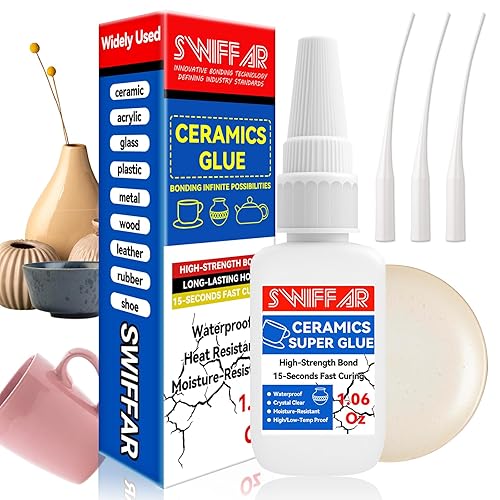
Ceramic Glue, Clear Super Ceramic Glue Repair Kit for Pottery and Porcelain, Food Safe Adhesive for Mug, Waterproof and Heat Resistant, Strong Bonding, Long Lasting, Quick Drying, Easy to Use
View on Amazon. Both are good options if you want a dedicated ceramic repair product rather than a general superglue. For a broader comparison of options, see 5 Best Glues for Ceramic Mug: Top Picks Compared (2026).
Before any repair, consider whether the mug is still safe to use. Chips that expose porous clay, cracks that leak, or repairs on a mug used with very hot liquid may warrant replacement. If you are unsure whether a repaired mug is safe for food, consult the adhesive maker’s instructions or a qualified professional. For guidance on heat and reheating, see Can You Microwave Ceramic Mug? Safe Use, Risks and Tips.
FAQ
Is this glue safe to use on a mug I drink from?
The product is labeled food safe, which means the cured adhesive is intended for food contact under normal use. Follow the manufacturer’s cure time, wash the mug gently by hand, and avoid repeatedly exposing the repair to boiling water. If you have questions about a specific repair, consult the manufacturer or a qualified professional.
Can I put a repaired mug in the dishwasher?
Most CA adhesives are not built for repeated dishwasher cycles. Heat, detergent, and water pressure can weaken the bond over time. Hand washing is the safer choice for any repaired mug.
Can I microwave a mug repaired with superglue?
Microwaving can stress the bond line, especially with uneven heating. Many people avoid microwaving repaired mugs entirely. Check the adhesive’s directions and be cautious with any repaired item.
How long should I wait before using the mug after gluing?
Cure times vary by product and conditions. Many manufacturers recommend allowing a longer full-strength cure than the initial set time before the mug holds liquid. Read the instructions on the package and allow the full recommended time.
What is the best way to prepare the surfaces?
Clean both edges with isopropyl alcohol, remove dust and oils, and let the surfaces dry completely. Avoid touching the bond area with bare fingers, since skin oils can reduce adhesion.
Can this glue fill a large gap in a ceramic mug?
No. Thin CA adhesives are designed for tight, clean joins. Large gaps need a gap-filling epoxy or a ceramic repair compound.
Is superglue dangerous to handle?
Yes, it can bond skin quickly and fumes can irritate eyes and airways. Work in a ventilated space, wear gloves, and keep it away from children and pets. If it contacts skin or eyes, follow the manufacturer’s first aid steps and seek medical advice if needed.
Should I replace a cracked mug instead of repairing it?
If the crack leaks, runs through the base or rim, or the mug is used daily for hot drinks, replacement is often the safer choice. Decorative or occasional-use mugs with small, clean breaks are more reasonable repair candidates.
Final Verdict
This clear, fast-setting adhesive is a practical choice for small ceramic repairs, handle reattachments, and light-use mugs, and its food safe labeling addresses a key concern. Its limits are real: it is brittle, it does not fill gaps, and it is not built for dishwashers or frequent hot use. Buy it for targeted, careful repairs; choose a gap-filling or purpose-built ceramic kit for larger breaks.
Related reading
About Emily Parker
Emily Parker is part of our editorial team and reviews and edits our mugs & drinkware guides, checking product details against manufacturer specifications and owner feedback.