 By Emily Parker
Updated November 2026
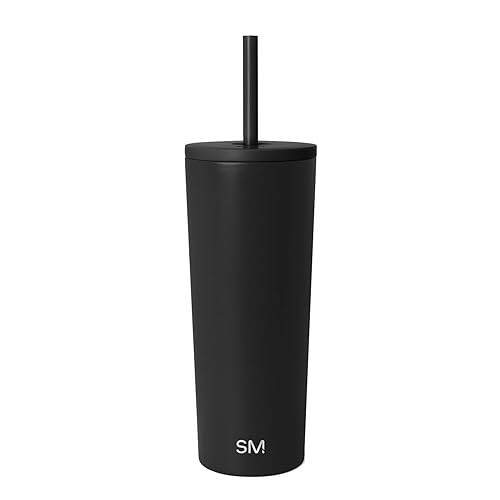
A tal insulated tumbler with straw keeps drinks at temperature for hours and lets you sip without tipping the cup. This guide walks through what to check before you buy, how to use the straw and lid without leaks, and how to clean the parts so they stay fresh. Most of the problems people run into come from a few predictable places, and they are easy to avoid once you know where to look.
Check the Construction Before You Buy
Look for double-wall, vacuum-insulated stainless steel. Manufacturers typically describe this construction as the feature that keeps heat from moving in or out of the cup, and it is the main reason insulated tumblers outperform plain ones. Confirm the capacity you need, since tumblers in this style are commonly sold in sizes from about 12 to 40 ounces, and check whether the straw and lid are removable for cleaning.
Shopping for one? See our guide: 5 Best Insulated Stainless Steel Tumblers with Straw for Everyday Use.
Use the Lid and Straw Correctly
Most leaks happen because the lid is not fully seated or the straw is not locked in its channel. Before filling, do this:
- Press the lid down evenly around the rim until you hear or feel it click into place.
- Confirm the straw sits straight in its opening and the cap or flip mechanism closes fully.
- Fill to no more than the level the manufacturer marks, leaving room for expansion if you add hot liquid.
- Wipe the rim dry before sealing, since residue or moisture can break the seal.
If you carry the tumbler in a bag, keep it upright. Tipping a sealed cup on its side is the fastest way to push liquid past the gasket.
Get the Best Temperature Retention
Insulation works best when the vessel is already at temperature. For hot drinks, rinse the inside with hot water for a minute before pouring in your coffee or tea. For iced drinks, chill the tumbler in the refrigerator or add ice first, then top with cold liquid. Keep the lid on whenever you are not drinking, because the opening is where most heat loss occurs.
Clean the Straw, Lid, and Gasket Regularly
The straw and the gasket under the lid collect residue fastest. Wash them after every use if the drink contained milk, juice, or sugar. Remove the straw from its housing if the design allows it, and use a straw brush to clear the inside. Let every part air dry completely before reassembling, since trapped moisture is what creates odor. Check the manufacturer’s care instructions before running any part through a dishwasher, because heat can warp some plastic components.
Storing and Traveling With Your Tumbler
Store the tumbler with the lid off or loosely placed so the gasket does not stay compressed. This preserves the seal over time.
Common Mistakes to Avoid
- Skipping the straw cleaning step, which lets residue build up inside the channel.
- Overfilling and then sealing the lid, which causes spills when the liquid expands.
- Putting a cold tumbler away with the lid tightly closed, which can trap odor.
- Pouring carbonated drinks in and sealing immediately, which builds pressure.
- Using abrasive scrubbers that scratch the interior and make it harder to keep clean.
Recommended Gear
A narrow straw brush makes cleaning the straw channel much easier than rinsing alone. View on Amazon
A silicone replacement gasket is worth keeping on hand if your lid seal starts to wear, since a fresh gasket is often the simplest fix for leaks. View on Amazon
A soft-bristle bottle brush helps reach the base and walls of the interior without scratching the stainless steel. View on Amazon
For more background on how other tumblers in this category compare, see Tal Double Wall Insulated Tumbler: Is It Worth Buying? and Insulated Tumbler With Flip Straw: How to Choose the Right One (7 Factors). If you are weighing styles, 6 Best Insulated Tumblers with Straw for Everyday Use (2026) gives a wider view.
FAQ
How do I stop a tal insulated tumbler with straw from leaking?
Make sure the lid clicks fully into place, the straw is seated straight, and the rim is dry before sealing. Replacing a worn gasket often solves persistent leaks.
How often should I clean the straw?
Clean it after every use if you drink milk, juice, or sweetened beverages. For plain water, cleaning it at least every few days is a reasonable routine.
Can I put the tumbler in the dishwasher?
Check the manufacturer’s care instructions first. Many insulated tumblers recommend hand washing to protect the seal and finish, and some parts may not be dishwasher safe.
Conclusion
A tal insulated tumbler with straw performs best when the lid is sealed correctly, the vessel is preheated or precooled, and the straw and gasket are cleaned regularly. These habits protect both temperature retention and flavor. Follow the manufacturer’s care guidance for your specific model.
Related reading
- Thermoflask 32oz Insulated Standard Straw Tumbler Review (2026)
- Starbucks Insulated Tumbler with Straw: Why It Leaks and Fixes
- Stanley Iceflow Stainless Steel Tumbler with Straw Vacuum Insulated (2026): Pros, Cons & Verdict
Ready to choose one?
About Emily Parker
Emily Parker is part of our editorial team and reviews and edits our mugs & drinkware guides, checking product details against manufacturer specifications and owner feedback.