 By Emily Parker
Updated November 2026
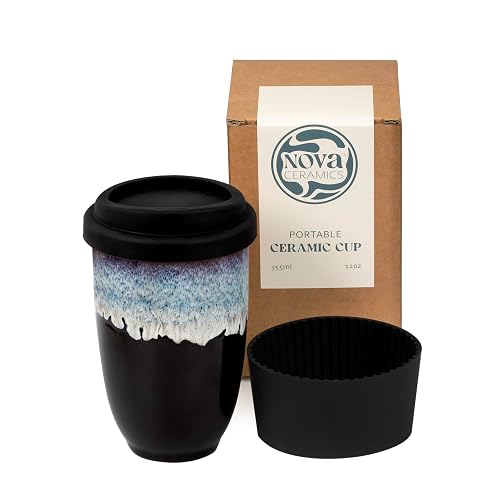
A topadorn ceramic travel mug is a drinkware option that pairs a ceramic interior with a lid designed for on-the-go use. This guide walks you through what to check before you buy, how to use and clean the mug so the ceramic and seal hold up, and which mistakes tend to shorten its life. By the end, you should be able to judge whether a topadorn ceramic travel mug fits your daily routine and keep it working well for years.
Ceramic travel mugs sit in an unusual spot. Ceramic is one of the most inert surfaces you can drink from, so it does not leave a metallic or plastic taste, and it does not hold onto coffee oils the way some plastics do. The tradeoff is weight, fragility and a lid system that has to work harder than a stainless steel mug’s. Understanding those tradeoffs makes the difference between a mug you enjoy and one you stop using after a month.
Shopping for one? See our guide: Ceramic Coffee Travel Mug Picks: 6 Best Options for Everyday Use (2026).
Step 1: Understand What a Ceramic Travel Mug Is Built From
Before you evaluate a topadorn ceramic travel mug, it helps to know how most ceramic travel mugs are put together. Many use a ceramic liner or ceramic-coated interior sitting inside an outer shell of stainless steel, plastic or silicone. Others are fully ceramic with a separate lid. Each construction behaves differently when it comes to heat, weight and durability. For a broader comparison of materials, see Coffee Mug Types Compared: Ceramic, Glass, Steel, Travel.
Liner versus full ceramic body
A ceramic liner keeps the beverage in contact with a non-reactive surface, while the outer layer handles most of the impact resistance and insulation. A full ceramic body feels more like a traditional mug but is heavier and more prone to chipping if dropped on a hard floor. If you commute by car and the mug stays in a cup holder, a liner design is usually more forgiving. If you carry the mug in a bag with keys and other items, check how thick the ceramic wall is and whether the rim is reinforced.
Insulation and heat retention
Ceramic itself is not a strong insulator. Heat retention in a ceramic travel mug usually comes from a vacuum-insulated or double-wall construction around the ceramic, plus a lid that limits heat loss from the top. Manufacturers often specify temperature hold times under particular test conditions, so treat those numbers as a starting point. Real results depend on how hot you start the drink, how much headspace you leave, and whether you open the lid often. Articles such as 7 Best Double Wall Ceramic Travel Mugs for Everyday Commuting explain why double-wall designs matter for this.
Step 2: Check the Capacity and Fit
Capacity is one of the first things people overlook. Ceramic-lined mugs often come in sizes from around 12 to 20 ounces. Check the fluid capacity listed by the manufacturer, and then think about how much you actually drink. A 20-ounce mug is convenient for a long commute but may be too large for a single morning espresso drink. Measure the diameter as well, because many car cup holders accept only about 3 inches across at the base.
If you are looking at larger sizes, Ceramic Travel Mug 20 Oz: 6 Best Picks Compared for 2026 offers a useful reference point for how those volumes feel in practice.
Step 3: Evaluate the Lid and Seal
The lid is where most spills and leaks happen. A well-designed lid for a topadorn ceramic travel mug should have a silicone or rubber gasket that sits flush against the rim. Look for a lid that locks or clicks into place, and check whether the drinking opening closes fully when not in use. Some lids include a sliding cover or a flip-up spout.
For a deeper look at seal design and spill control, read Travel Mug Ceramic with Lid: A Buyer's Guide to Heat, Seals and Spill Control.
Lid checklist
- Gasket is removable and washable
- Lid clicks or locks, rather than just sitting on the rim
- Drinking opening closes fully
- Lid is compatible with the mug, not a generic replacement
- Lid is dishwasher-safe or hand-washable with easy access to the gasket groove
Step 4: Prepare the Mug Before First Use
Rinse the mug and lid with warm water and mild dish soap, then dry all parts. Remove the gasket if it is removable, clean the groove underneath, and reseat it carefully. Many owners report that a small amount of manufacturing residue or packaging dust is present, so a first wash makes a noticeable difference in taste.
Step 5: Use the Mug the Right Way to Protect the Ceramic
Ceramic responds badly to sudden temperature changes. Pouring boiling water into a cold mug can cause thermal stress and, over time, crazing or cracks. Warm the mug first by rinsing it with hot tap water for about 30 seconds, then pour in your beverage. The same logic applies to cold drinks: let the mug come closer to room temperature if it has been in a cold car or refrigerator.
Filling and closing
Leave about half an inch of headspace under the lid. Filling to the brim can push liquid into the gasket and make the lid harder to seat. Before closing, wipe the rim. Coffee residue on the rim is a common cause of slow leaks. Press the lid down evenly and confirm it clicks or locks on all sides.
Step 6: Clean and Care for the Mug Regularly
Routine cleaning matters more for a topadorn ceramic travel mug than many people expect. Oils from coffee and tea can build up on the gasket and in the lid’s internal channels, which affects both taste and sealing performance.
- Empty the mug and rinse with warm water immediately after use.
- Remove the gasket and lid components.
- Wash with mild dish soap and a soft brush. Avoid abrasive pads, which can scratch the ceramic surface.
- Check whether the manufacturer labels the parts as dishwasher-safe. If they are, use the top rack.
- Dry all parts fully before reassembling, so trapped moisture does not develop odor.
Deep cleaning
Once a week, soak the mug in warm water with a tablespoon of baking soda for about 15 minutes, then rinse thoroughly. For stubborn stains, a paste of baking soda and water works well. Do not use bleach on the gasket, as it can degrade rubber and silicone over time.
Common Mistakes to Avoid
- Pouring boiling liquid into a cold mug. Preheat with hot tap water first to reduce thermal shock.
- Overfilling. Leave headspace so the lid seats properly and the gasket stays clear of liquid.
- Ignoring the gasket. A dirty or stretched gasket is the most frequent cause of leaks.
- Dropping the mug on hard surfaces. Ceramic chips easily at the rim and base, which can compromise both the seal and safety.
- Storing the lid on while wet. Trapped moisture encourages odor and mildew around the gasket.
- Using a mismatched lid. Lids are often sized to a specific mug. A generic replacement may not seal correctly.
Tips for Getting More Out of Your Mug
- Keep a spare gasket on hand if the manufacturer sells them separately.
- Store the mug with the lid off, or slightly ajar, to prevent odor buildup.
- If you use the mug for cold drinks, pre-chill it with cold water rather than ice, which can stress the ceramic.
- Inspect the rim monthly for small chips. A chipped rim can cut your lip and disrupt the seal.
Recommended gear
A few inexpensive accessories help keep a ceramic travel mug in good shape and make cleaning easier.
- Soft bottle brush with a narrow head. It reaches the gasket groove and the inside walls without scratching the ceramic. View on Amazon
- Replacement silicone gasket set for travel mugs. Useful when the original gasket stretches or stains beyond cleaning. Confirm the size matches your model before buying. View on Amazon
- Insulated cup holder sleeve. Helps keep the mug stable in a car and adds a layer of protection against bumps. View on Amazon
FAQ
Is a topadorn ceramic travel mug dishwasher-safe?
It depends on the model. Check the manufacturer’s care instructions. Many ceramic-lined mugs allow dishwasher cleaning for the lid and gasket only, and the ceramic body should be hand-washed to avoid thermal shock and wear on the seal.
Will a ceramic travel mug keep coffee hot all morning?
Hold time varies with the starting temperature, the mug’s insulation and how often you open the lid. Manufacturers often publish test figures, but real-world results are usually shorter. Preheating the mug and keeping the lid closed when not drinking helps the most.
Can I put a ceramic travel mug in the microwave?
Most manufacturers advise against microwaving any travel mug with a metal component or a sealed double-wall construction. Check the label. Even when the ceramic is microwave-safe, the lid and gasket usually are not.
Why does my lid leak even when it is closed?
The most common cause is a dirty, stretched or misseated gasket. Remove it, clean the groove, check for damage and reseat it. If the leak continues, the gasket may need replacing.
How do I remove a coffee smell from the mug?
Soak the mug and lid in warm water with baking soda for about 15 minutes, then rinse. For persistent odor, let the mug sit overnight with a mixture of water and a small amount of white vinegar, then rinse thoroughly. Dry all parts before storing.
Is a ceramic travel mug safe for hot liquids?
Yes, when it is used as directed. Avoid sudden temperature changes, and do not leave the mug in direct flame or on a stovetop. If you have concerns about materials or heat safety for a specific product, check the manufacturer’s documentation or consult a professional.
How long should a ceramic travel mug last?
With regular cleaning and careful handling, many owners report years of use. The gasket is usually the first part to wear and may need replacing sooner. Chips or cracks in the ceramic are a sign to retire the mug.
Is a ceramic travel mug a good gift?
It can be, especially for people who prefer the taste of ceramic and want a durable, reusable option. Pair it with a sleeve or a spare gasket for a more complete gift.
Conclusion
A topadorn ceramic travel mug can deliver a clean-tasting, comfortable drink when you choose the right capacity, check the lid carefully and handle the ceramic with respect. Preheat the mug, leave headspace, and clean the gasket regularly to avoid the most common problems. Treat the lid and seal as the parts that need the most attention, and the mug will serve you well every day.
Ready to choose one?
About Emily Parker
Emily Parker is part of our editorial team and reviews and edits our mugs & drinkware guides, checking product details against manufacturer specifications and owner feedback.