 By Emily Parker
Updated November 2026
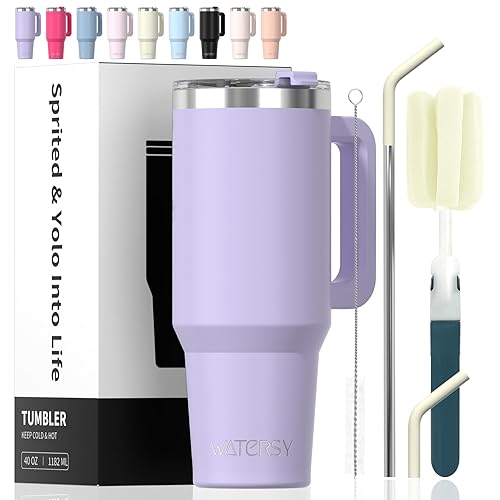
An X brand insulated tumbler is a double-wall vacuum-sealed drinking vessel marketed under the X name, and it is worth buying only if its materials, lid design and insulation rating match how you actually drink. Before you buy, check the stated hot and cold hold times, the stainless steel grade, and whether the lid is replaceable. Those three details tell you most of what you need to know.
What “X Brand” Usually Means in Practice
The term “X brand insulated tumbler” is a placeholder for a specific manufacturer, so the first step is confirming exactly which product line you are looking at. Insulated tumblers from different brands can look nearly identical but differ in wall construction, vacuum quality and lid engineering. Read the product listing or packaging for the model name, capacity in ounces or milliliters, and the material description. If a listing does not state these, treat it as a warning sign.
Shopping for one? See our guide: 6 Best stainless steel insulated tumbler (2026): Expert Picks.
Why Insulation Performance Varies
Most insulated tumblers use two walls of stainless steel with a vacuum sealed between them. The vacuum blocks conductive and convective heat transfer, while the steel itself reduces radiant heat loss. Performance depends on how complete that vacuum is and how well the walls are bonded at the base and lid. Manufacturers commonly publish hot and cold retention times, but these figures are usually measured under controlled conditions, such as pre-heating the vessel with the same temperature liquid and keeping it in a room-temperature space. Real-world results often run shorter, especially if the tumbler is opened frequently or left in a warm car.
Factors That Affect Your Results
Several variables determine how well any X brand insulated tumbler performs for you:
- Stainless steel grade. Food-grade 304 stainless steel is the most common choice for drinkware and resists corrosion well. Some budget models use thinner or lower-grade steel, which can affect durability over time.
- Wall thickness and vacuum seal. Thicker walls generally help, but a well-sealed vacuum matters more. Owners often report that a tumbler loses heat quickly once the vacuum is compromised, usually after a hard drop.
- Lid design. A large share of heat loss happens through the opening. Lids with a sliding or closed-cover design retain temperature better than open-sip lids, which expose more surface area.
- Pre-heating or pre-chilling. Filling a cold tumbler with hot liquid causes the inner wall to absorb heat before the drink has a chance to stay hot.
- Ambient conditions. Hot summer cars and freezing outdoor temperatures both reduce the window of effective temperature.
How to Check a Tumbler Before You Commit
You can evaluate an X brand insulated tumbler with a simple routine that takes about 30 minutes and requires only a kettle and a thermometer.
- Pour boiling water into the empty tumbler, close the lid, and let it sit for two minutes to pre-heat the inner wall.
- Empty it, refill with water at about 180°F (82°C), and seal the lid.
- Record the temperature at 30-minute intervals for at least three hours, opening the lid only for measurements.
- Repeat the process with ice water to test cold retention, starting from a pre-chilled vessel.
- Shake the sealed tumbler gently and listen for rattling, which can indicate a loose internal component or a compromised seal.
If the temperature drops sharply in the first hour, the vacuum may be weak. Compare your readings against the manufacturer’s stated figures before deciding whether the performance is acceptable for your needs.
Care Tips That Preserve Insulation
- Avoid dishwashers unless the manufacturer explicitly allows them, since high heat and harsh detergents can degrade gaskets and finishes.
- Wash the lid gasket separately and dry it fully, because trapped moisture can cause odor and mildew.
- Do not put a tumbler in a microwave or on a stove, and avoid dropping it on hard surfaces, which can damage the vacuum seal.
- Replace worn gaskets or lids rather than forcing a poor fit, which can lead to leaks in your bag.
What We’d Use
If you want a reliable everyday option with proven insulation and a dependable lid, the Owala SmoothSip Insulated Stainless Steel Coffee Tumbler is a well-known choice for daily coffee and cold drinks. View on Amazon
For buyers who want a fully sealed design for commuting or gym bags, the Stanley AeroLight Transit Bottle is widely recognized for its vacuum insulation and leak-resistant lid. View on Amazon
Before you buy any tumbler, read the full range of options in our guide to Who Makes the Best Insulated Tumbler? 7 Top Picks Compared (2026), which compares several brands side by side. If you are specifically considering a double-wall model, Tal Double Wall Insulated Tumbler: Is It Worth Buying? walks through the trade-offs in detail.
Related Questions
How long should an insulated tumbler keep drinks hot?
Manufacturers commonly list hot retention in hours, but results vary with pre-heating, lid use and room temperature. Run your own test with a thermometer to get a realistic baseline.
Is a stainless steel tumbler safe for everyday drinks?
Food-grade 304 stainless steel is widely used for drinkware. Check the product description for the grade, and if you have a medical condition or sensitivity to metals, consult a healthcare professional before choosing a material.
Why does my tumbler leak?
Leaks usually come from a worn gasket, a misaligned lid or a damaged seal. Clean the gasket, reseat the lid and inspect for cracks. If the problem continues, a replacement lid may solve it.
Can I put an insulated tumbler in the dishwasher?
Only if the manufacturer says it is dishwasher-safe. Many models are better hand-washed to protect the lid and finish.
Does a lid matter as much as the walls?
Often, yes. Heat escapes quickly through an open lid, so a closed or sliding cover can improve hot retention noticeably, even with the same double-wall construction.
Related reading
Ready to choose one?
About Emily Parker
Emily Parker is part of our editorial team and reviews and edits our mugs & drinkware guides, checking product details against manufacturer specifications and owner feedback.