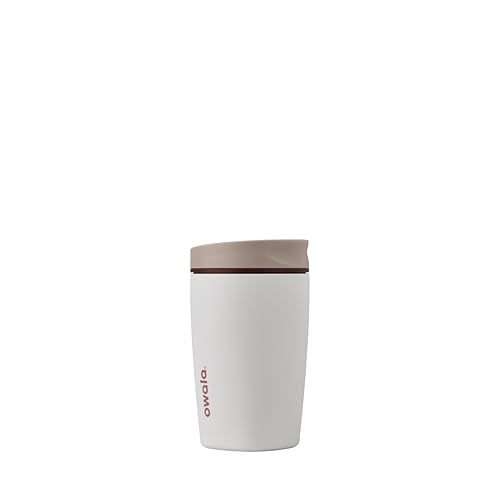
 By Emily Parker
Updated November 2026
A yeti 40oz travel straw mug holds a large volume of cold or hot drink in a single insulated vessel, and the straw lid makes it easy to sip while driving, commuting or working out. This guide walks you through the factors that matter before you buy, how to use the mug day to day, how to clean the straw lid properly, and the mistakes that most often lead to leaks or stale tastes. By the end, you will know what to look for and how to keep the mug working well for years.
What the 40oz Size Actually Means in Practice
A 40 oz vessel holds roughly 1.2 liters, or about five standard 8 oz cups. That capacity is useful if you refill once or twice a day, but it also changes how the mug behaves. A full 40 oz mug is heavy, often well over two pounds once filled with ice and liquid, so it is best suited to people who keep it in a cup holder or on a desk rather than carrying it in one hand for long stretches.
Shopping for one? See our guide: Yeti Rambler 40 Oz Travel Straw Mug (2026): Which Should You Choose?.
Before you buy, measure the diameter of your vehicle cup holders. Most 40 oz tumblers are wider than the 20 oz size, and some models will not sit snugly in a standard holder. Check the mug’s base diameter in the manufacturer’s specifications and compare it to the opening of your holder. Many owners report that a slightly wide base still fits, but a tall, narrow holder may not hold the mug steady on turns.
Step 1: Choose the Right Lid and Straw Setup
The straw lid is the feature that defines this product type, so it deserves close attention. Lids are generally made from a rigid plastic or a silicone-sealed polymer, and the straw is usually removable. Look for these points:
- Straw diameter: A wider straw moves thicker drinks, such as iced coffee with cold foam, more easily. A narrower straw suits thin liquids and reduces splashing.
- Removable straw: Confirm that the straw pulls out for cleaning. A fixed straw collects residue you cannot reach with a brush.
- Sliding or closing cover: Some lids include a cover over the straw opening. This helps when the mug is tossed in a bag or rolls on a seat.
- Gasket: The rubber or silicone ring under the lid is what seals the mug. Check that it seats fully before every use.
Decide how you plan to drink. If you sip while walking, the straw lid is a strong fit. If you drink from a wide-mouth cup at a desk, a standard lid may be easier to clean.
Step 2: Prepare the Mug Before First Use
Wash the mug, lid, gasket and straw in warm soapy water before you fill it for the first time. Rinse thoroughly and let every part air dry. Insulated stainless steel bodies are typically rated for dishwasher use on the top rack, but manufacturers often recommend hand washing the lid and gasket because heat and detergent can wear rubber seals over time. Check the care instructions printed with your model.
Pre-chilling and Pre-heating
Insulated mugs perform best when the inside is at the temperature you want to hold. For cold drinks, fill the mug with ice water for five minutes, pour it out, then add your beverage. For hot drinks, rinse with hot water first. This small step reduces the early temperature drop and gives you a clearer sense of how well the mug retains heat or cold over time.
Step 3: Fill, Seal and Test for Leaks
Fill the mug to about one inch below the rim, leaving room for expansion and for the gasket to sit flat. Press the lid down evenly, then turn the mug upside down over a sink for ten seconds. If anything seeps out, remove the lid, wipe the gasket and seat it again. Repeat until the mug holds a dry seal.
Always test with the straw closed or covered if your model has a closing feature. Leaks most often come from a gasket that is slightly out of place, a lid that was not pressed fully down, or a straw that was not pushed in all the way.
Step 4: Use the Mug Safely in Daily Life
- Keep the mug upright in a cup holder or on a flat surface. Tilting it on a seat or bag can push liquid past the gasket.
- Avoid filling with carbonated drinks and then sealing tightly, since pressure can build and force liquid out when you open the lid.
- If you carry the mug in a bag, place it upright and avoid stacking heavy items on top.
- Do not put the mug in a microwave, and do not pour boiling water into a cold mug quickly, which can stress the body.
Step 5: Clean the Straw Lid Thoroughly
Straw lids trap milk, sugar, coffee oils and juice residue, which can cause sour odors and mold if neglected. Clean the lid after every use if you drink dairy or sweetened beverages, and at least every two to three days otherwise.
- Remove the straw and the gasket from the lid.
- Wash each piece in warm soapy water using a thin straw brush for the inside of the straw.
- Pay attention to the valve or channel inside the lid, where residue collects.
- Rinse all parts and let them air dry completely before reassembling.
- Once a week, soak the lid and straw in a solution of warm water and a small amount of baking soda or white vinegar, then rinse well.
Checklist: Tools You Need for Cleaning
- Warm water and mild dish soap
- A thin straw brush sized for your straw
- A soft bottle brush for the mug interior
- A clean towel or drying rack
- Baking soda or white vinegar for weekly deep cleaning
Comparing Key Features
The table below summarizes the factors that most affect how a 40 oz straw mug performs. Use it as a quick reference when comparing models or deciding how to use yours.
| Factor | What to Look For | Why It Matters |
|---|---|---|
| Base diameter | Fits your cup holder | Prevents tipping on turns |
| Straw diameter | Wider for thick drinks | Improves flow of iced coffee and smoothies |
| Removable straw | Pulls out completely | Allows full cleaning |
| Gasket type | Rubber or silicone, replaceable | Maintains a leak-resistant seal |
| Dishwasher rating | Check manufacturer guidance | Affects long-term gasket and lid wear |
| Weight when full | Comfortable for your grip | Matters for long carrying sessions |
Common Mistakes to Avoid
- Skipping gasket cleaning. Residue under the gasket causes odors and seal failure. Remove and wash it separately.
- Storing the mug with the lid sealed. Trapped moisture can cause smells. Leave the lid off or open to air-dry between uses.
- Using the mug as a shaker. Shaking a full mug with a loose lid can break the seal and spill.
- Putting the straw back in wet. Always dry the straw fully before reassembling.
- Ignoring replacement parts. Worn gaskets and cracked straws should be replaced rather than patched.
Recommended Gear
A few accessories make owning a large straw mug easier and more hygienic. These are optional, but they address the most common pain points.
- OXO Good Grips Travel Straw Cleaning Brush helps you clean narrow straws thoroughly, which is the step most people skip.View on Amazon
- Yeti Rambler Straw Cap covers the straw opening when the mug is in a bag or on the floor of a vehicle.View on Amazon
- Yeti Rambler Replacement Gasket lets you restore a seal that has worn out instead of replacing the whole lid.View on Amazon
FAQ
Is a yeti 40oz travel straw mug dishwasher safe?
Many insulated mugs in this category are rated for top-rack dishwasher use, but manufacturers often recommend hand washing the lid, gasket and straw. Check the care label on your specific model.
How long does the mug keep drinks cold or hot?
Retention depends on the model, the starting temperature, how often you open the lid and the room temperature. Manufacturers typically specify approximate hours for cold and hot retention under controlled conditions. Real-world results vary.
Why does my straw mug leak when I drive?
The most common causes are a gasket that is not seated fully, a straw left in the wrong position, or a lid that was not pressed down evenly. Re-seat the gasket, confirm the straw is closed or covered, and test with an upside-down check before you drive.
Can I put ice in the mug?
Yes, ice is common in cold drinks. Keep in mind that a full 40 oz of ice reduces the liquid capacity, and large ice cubes may block the straw. Crushed or smaller ice works better with a straw lid.
How often should I replace the gasket?
There is no universal schedule. Replace the gasket if it cracks, becomes sticky, loses elasticity, or no longer seals when tested. Replacement gaskets are sold separately for many models.
Can I drink hot coffee from a straw mug?
Many straw lids are designed for cold drinks, and some manufacturers advise against very hot liquids because the plastic lid can soften or warp. Check the temperature guidance for your lid before using it with hot coffee.
Does the straw affect the taste of my drink?
Some owners report a plastic taste if the straw is not cleaned regularly or if it is a new straw. Rinsing with hot water and cleaning after each use usually resolves this.
Should I consult a professional about cleaning or sanitizing?
For routine cleaning, the steps above are sufficient. If the mug has visible mold, a persistent odor after cleaning, or you have a health condition that makes you sensitive to bacteria, consult a qualified professional or the manufacturer for guidance.
Conclusion
A yeti 40oz travel straw mug works best when you match it to your cup holder, choose a straw and lid that suit your drinks, and clean the lid and gasket regularly. Test for leaks before each trip, and replace worn parts rather than living with a failing seal. With consistent care, a well-chosen mug will hold temperature and stay leak-free for a long time.
Related reading
- 4 Best Yeti Travel Straw Mugs for Everyday Use (2026)
- Yeti Rambler Travel Mug: 4 Best Picks Compared for 2026
- Yeti Rambler 20 Oz Travel Mug: 3 Best Picks Compared (2026)
- Yeti Ceramic Travel Mug: 4 Best Picks Compared for 2026
- Yeti Ceramic Lined Travel Mug: How to Choose, Use and Care (2026)
- Yeti 20oz Travel Mug (2026): Which Should You Choose?
- 6 Best Coffee Travel Mug Yeti Models for Everyday Coffee (2026)
- Zojirushi Coffee Travel Mug: 6 Best Picks for Hot Coffee (2026)
Ready to choose one?
About Emily Parker
Emily Parker is part of our editorial team and reviews and edits our mugs & drinkware guides, checking product details against manufacturer specifications and owner feedback.